When I first arrived in Morris, MB, I could barely wait to get out onto the ice and throw some stones. I had come straight over from PACCs in China, and thought I was throwing some decent rocks.
In hindsight, I feel as though from the time I arrived in Morris, I have really had my eyes opened in terms of what it means to actually throw a ‘good’ rock. Looking back, it is clear to me now that what I thought a ‘good’ throw was, was really an extremely complex battle with my body to get my rock somewhere close to the line of the skip’s brush before I reached the hogline. And that is what the Cargill Curling Training Centre (CCTC) allows you to do – understand your throw, and improve it.
Using a number of tools available here at the CCTC, I have been able to refine and rebuild my slide, understand why my body does what it does, learn my tendencies, and see in black and white terms how well I am throwing my rocks. Boy, what an eye-opener that has been!
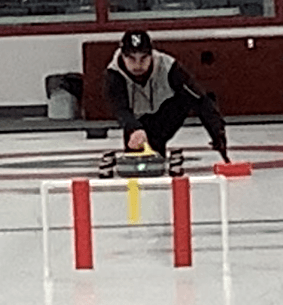
For example; the day after arriving in Morris I was out on the ice for a one-on-one training session with Lorne Hamblin. Lorne had set up a green laser at the far end of the sheet, aiming perfectly to the centre of the hack I would be sliding out from. Further to this there were two PVC gates with ribbons, perfectly set to a stone width wide each, and a camera set to over hang the sheet we were on, precisely lined up with
the laser pointing towards the hack.
The next step was Lorne showing me a diagram of a curling rock from a front on view, with 7 points split evenly across it’s circumference. ‘1’ was the left edge of the rock (looking at the front of the rock), ‘4’ the centre, and ‘7’ the right-hand edge of the rock.
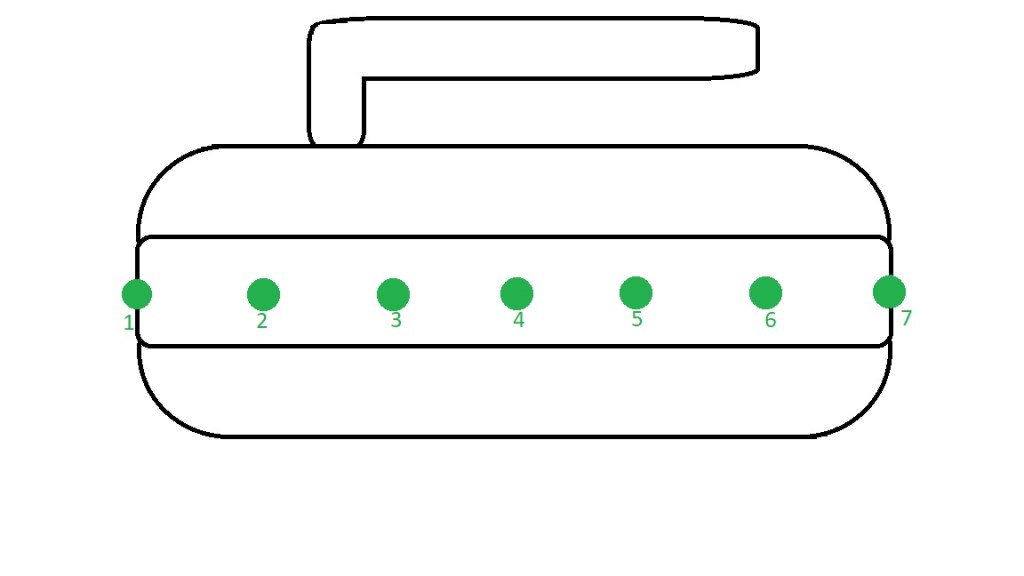
Ideally, at all points through a slide the green point of the laser should be sitting on the ‘4’ (centre of the rock). That would show you have perfectly hit the broom. Release true, and the stone will travel through both PVC gates without touching any of the ribbons. If you hit any of the ribbons, either your slide or release wasn’t perfect, and we would then go back to review where it went wrong. Practice Perfect.
“Throw a four” was the challenge from Lorne.
I threw three rocks, all out-turns, while being recorded by the on-ice camera. After the third stone came to rest, Lorne and I went over to the huge flatscreen TV at the side of the sheet to review what the camera had recorded.
“The good news is you got to a four” Lorne began positively… “On your way from a two in your anchor point to a six on release” he then continued.
Well, sh*t. They felt good to me.
It was at this point that it really sank in for me. This is what I am here for. Being able to see in black and white terms – what am I doing wrong, and how do I correct this to improve the chances of me throwing a rock accurately? The tools, the knowledge, the facility – it all works towards making you perfect in every
aspect of your throw.
We are now in March, and I am finally feeling confident on my improvement. Countless afternoons I have been down at the rink practicing that exact same drill. A laser, two gates and a camera. Practicing both turns, all weights. After every eight rocks now I stop, review the footage, and think about how the good slides felt and looking at what was different in the slides that weren’t as perfect. Countless hours have also been put in with Chris and Lorne (who I am so thankful for) working on timing, foot placement, keeping shoulders square, release. Trying to improve a little every day. It has been a long road, and there have been some very frustrating moments along the way, but I can now see the the progress I have made.
Through consistent practice and review, I now know what MY perfect throw feels like – an important point pushed by the Hamblins. Everyone is different. Every body is different. That is why at the CCTC they teach the simplest form of the perfect throw, and work with different body types to achieve this.
“Process, process, process” and “You missed because you were thinking about the outcome, not the process” have been two of the core messages engrained into us here at the CCTC by Chris and Lorne Hamblin.
I am not perfect all the time, but I now know what my perfect throw is, and how to achieve it – and that is massive for me. My challenge is to achieve that throw as consistently as possible.
As somebody who also enjoys and focuses on the mental side of the game, it has been so interesting to notice the change within my own mind throughout this process. Focusing on the process rather than the outcome has taken a huge amount of weight off my shoulders when playing in high level games. I take confidence from the work I have put in correcting my technicals – it is now one of my main pillars of strength. A runback is the same as an open hit. A draw against four is the same as a draw for four. I no longer need to worry or think about the pressure or outcome of a shot, as my mindset has switched to thinking process, process, process. When I miss, I quite often catch myself that I was thinking about making the shot, not about throwing the perfect rock at the broom, at the desired weight.
With this mental shift, the game can seem a lot more simple.
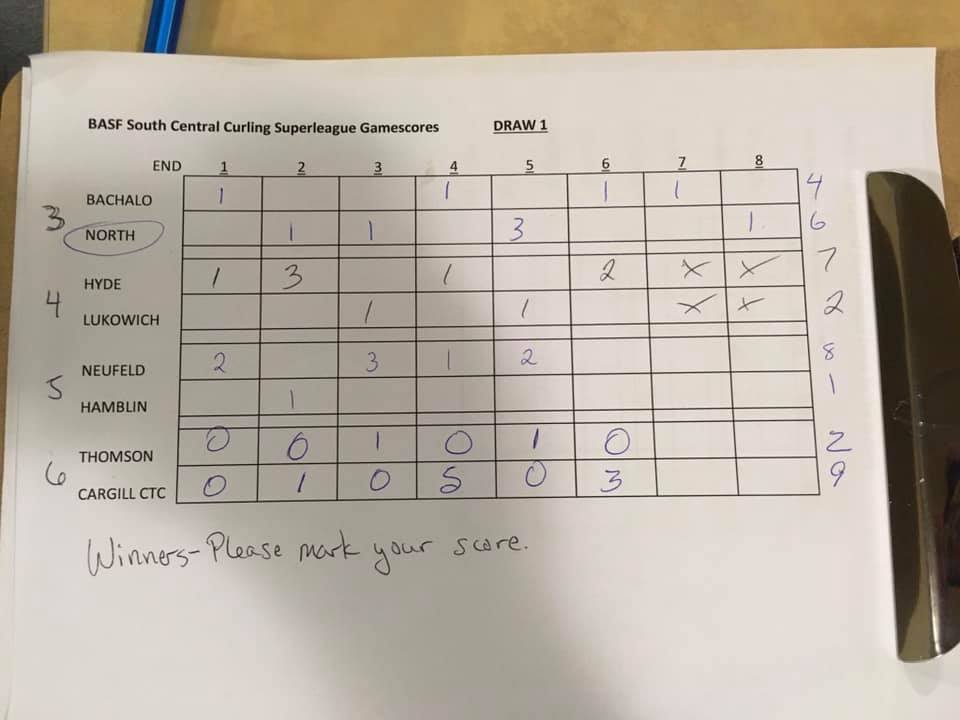
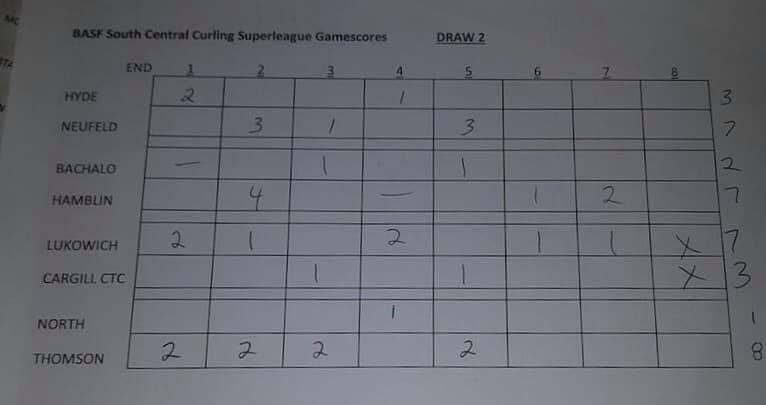
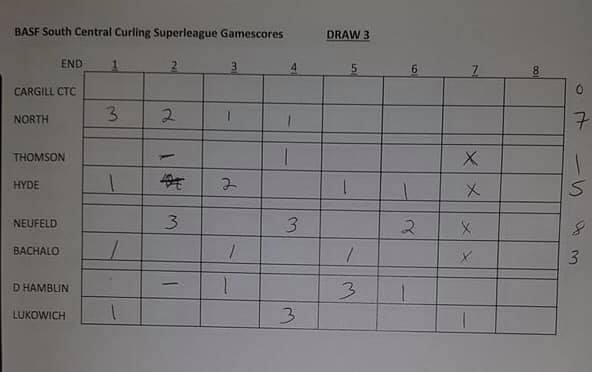
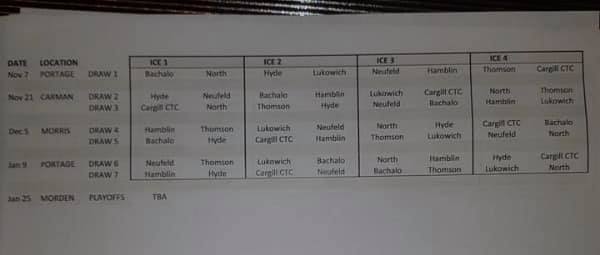
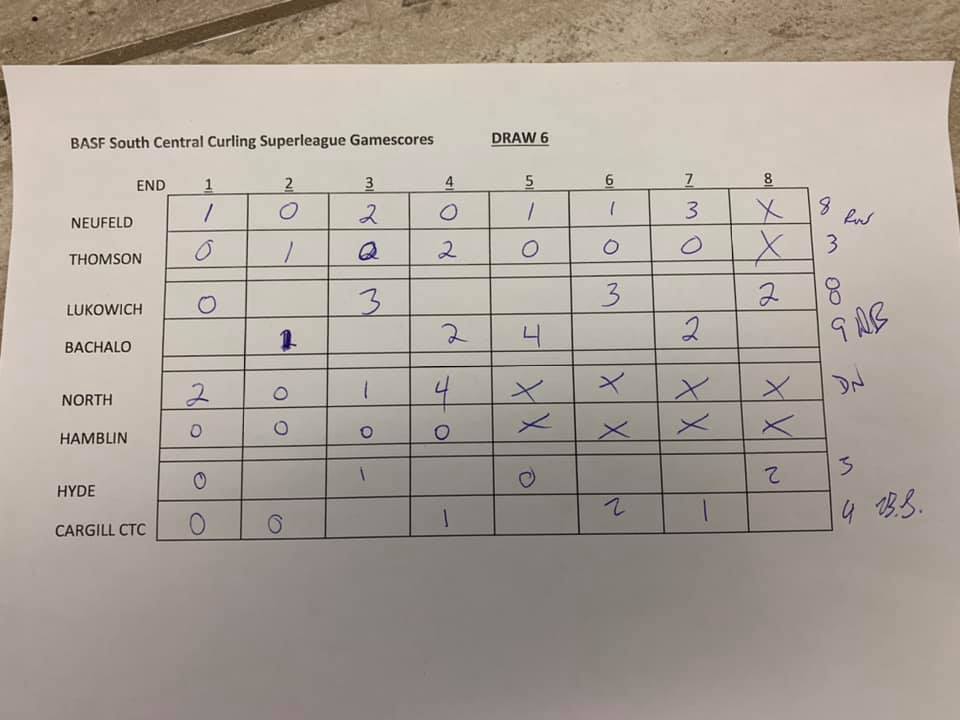
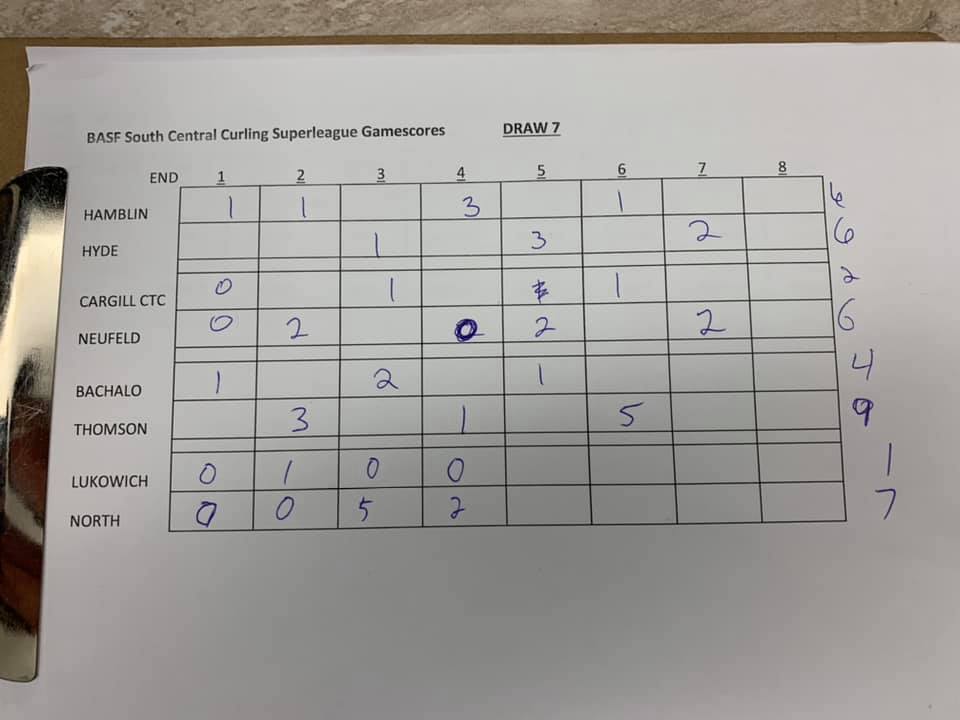
For me, this has been the biggest contributing factor to my improvements, and I believe this shows in our results as the season has progressed. After sneaking in to the Super League playoffs in 4th place, we managed to knock off the top seed Randy Neufeld with a draw to the button on the final rock of the game in the semi-finals, and ran the 2nd place qualifier out of rocks in the final end to take out the competition. The improvements from week 1 of Super League to playoffs were remarkable, and noticed by all.
The goal moving forward is to continue to work on trying to achieve this perfect throw, every shot I play. Work and review, trust the process.
The results will follow, and the outcome will take care of itself.
I am by no means finished or perfect. I am, however, a whole heap closer than I was when I first arrived, and I know what my perfect is.
Brett Sargon












 Kiwis in the House